AISI 1005 Bolting Products
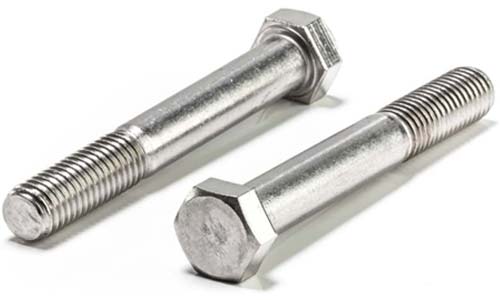
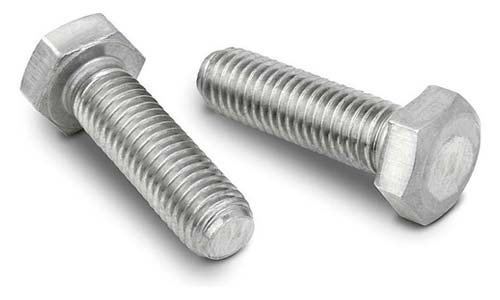
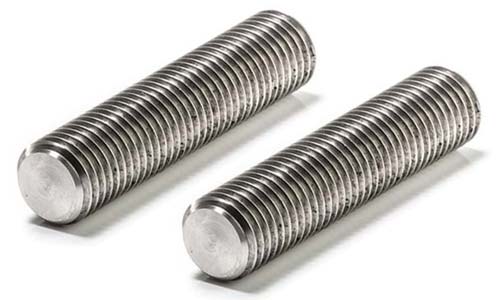
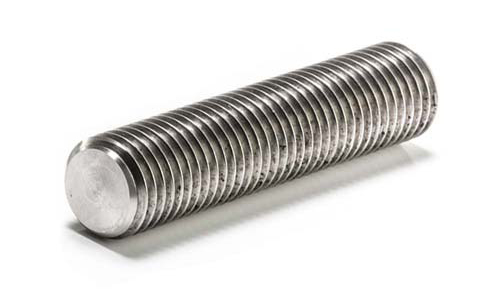
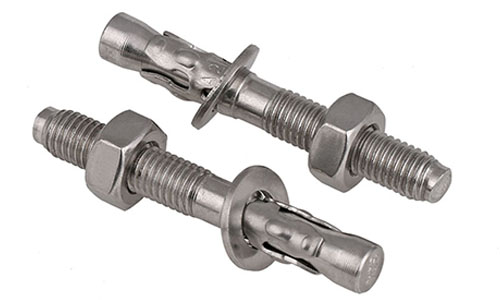
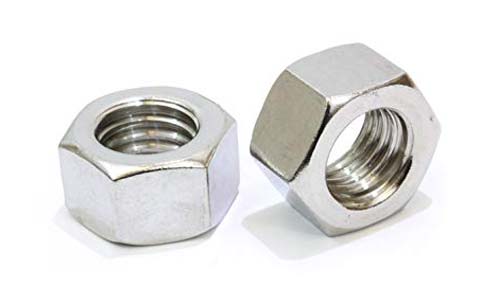
AISI 1005 is a very low carbon steel (0.06% C max) valued for its excellent ductility, formability and weldability. It is supplied mainly as wire, rod, strip and sheet for cold-forming and general-purpose parts where high strength is not required.
AISI 1005 is one of the lowest-carbon grades in the SAE/AISI plain carbon steel series, with a maximum of 0.06% carbon and up to 0.35% manganese. This gives a soft, ductile steel that forms, bends and welds easily. Grade limits should be verified against the applicable SAE/AISI or product specification before material certification.
It is commonly supplied as wire rod, drawn wire, strip and sheet, and suits cold heading, drawing, stamping and deep forming. Because the carbon content is so low, it does not harden meaningfully by quenching; strength is raised mainly by cold working.
Strength is lower than medium-carbon grades, so AISI 1005 is chosen for formability and weldability rather than for high-strength load-bearing use. Select the product form and condition to suit the forming route, joining method and service environment.
View Technical Information →Standard identification and material designation information for AISI 1005.
Typical/reference composition ranges for AISI 1005. Exact limits depend on the governing material standard and product form.
| Element | Symbol | Composition |
|---|---|---|
| Carbon | C | 0.06 Max |
| Manganese | Mn | 0.35 Max |
| Phosphorus | P | 0.040 Max |
| Sulfur | S | 0.050 Max |
| Iron | Fe | Balance |
Typical reference values for AISI 1005 in the cold-worked condition. Annealed material is softer, with lower strength and higher elongation. Values depend on product form, size and condition and are not guaranteed design values.
| Property | Value | Unit |
|---|---|---|
| Tensile Strength | Approx. 330 | MPa |
| Yield Strength | Approx. 260 | MPa |
| Elongation | Approx. 23 | % |
| Hardness | Approx. 95 | HB |
AISI 1005 offers excellent formability, ductility and weldability. Its low strength makes it a forming and joining grade rather than a high-strength one, and final properties depend on product size and amount of cold work.
The very low carbon content gives a soft, ductile steel. Strength is increased mainly by cold working, not by heat treatment.
Well suited to cold heading, drawing, bending and stamping. Machinability is fair; the soft material tends to give long, gummy chips.
The very low carbon content gives excellent weldability with common processes, normally without preheat in thin sections.
Does not harden meaningfully by quenching. Annealing or normalizing softens cold-worked material, and carburizing can add a hard surface layer.
AISI 1005 is typically selected for wire, strip, cold-formed and welded parts where formability matters more than strength.
Used as wire for cold-headed rivets, small screws and low-strength fasteners. Not suitable for high-strength bolting classes.
Drawn wire, strip and sheet for general-purpose products, stampings and formed sections.
Deep-drawn, stamped and bent parts, and welded assemblies where easy forming and joining are needed.
Brackets, clips, panels and light-duty components in automotive and general engineering.
Select AISI 1005 using the applicable standard, required product form, size, heat treatment and service conditions. Verify chemistry and mechanical certification.
Weldability is excellent because of the very low carbon content. Use qualified welding procedures; preheat is rarely needed except for heavy sections or very cold conditions.
Do not use the indicative web values as design allowables. Final properties depend on section size, treatment, reduction and supply condition.
AISI 1005 is a US SAE/AISI grade and does not have an official Werkstoff number of its own. The closest commonly listed comparison is 1.0312 (DC05), primarily a cold-rolled sheet and strip grade; this is not an exact universal substitute. Confirm the product form and purchasing specification. Source.
Not in the usual sense. The carbon content is too low for it to harden by quenching. It can be annealed or normalized to soften it, and carburized if a hard surface layer is needed.
Carbon steel is not inherently stainless and normally requires suitable coating, paint, plating or environmental control when corrosion protection is required.
Typical uses include drawn wire, strip and sheet, cold-headed low-strength fasteners, stampings, deep-drawn parts and welded assemblies in automotive and general engineering.
Our engineering team can help with AISI 1005 selection based on operating temperature, pressure, load, product form and service conditions.