AISI 8650 Bolting Products
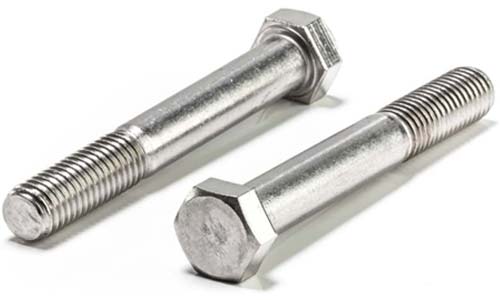
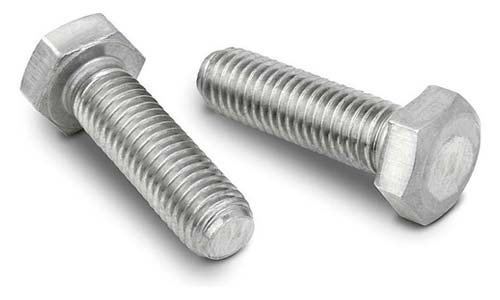
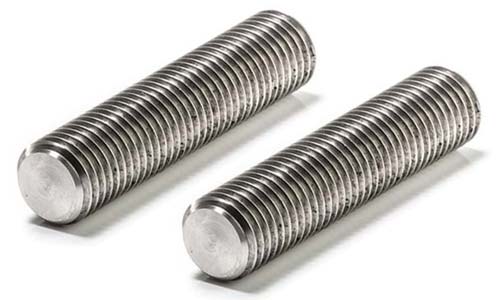
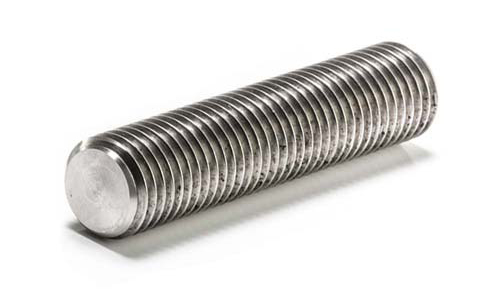
AISI 8650 is listed in the NICKEL CHROMIUM MOLYBDENUM STEEL material family. The reference data below should be checked against the governing product specification, product form and delivery condition before selection or certification.
The reference chemistry table for AISI 8650 lists Carbon (C): Grade-specific / specification dependent; Silicon (Si): Grade-specific / specification dependent; Manganese (Mn): Grade-specific / specification dependent; Chromium (Cr): Grade-specific / specification dependent. Confirm exact limits and analysis tolerances against the governing standard and product form.
The mechanical-property table for AISI 8650 lists Tensile Strength: Specification / condition dependent MPa; Yield Strength: Specification / condition dependent MPa; Elongation: Specification / condition dependent %; Hardness: Specification / condition dependent HB / HRC. These are reference entries; supplied condition, dimensions, test method and governing specification control the requirements, and the figures are not design allowables.
No one-to-one Werkstoff number was verified for AISI 8650 in the cross-reference sources checked for this update. Confirm any proposed EN alternative against the governing specification.
View Technical Information →Identification information for AISI 8650. Exact designation equivalents depend on the governing material standard and product form.
The reference chemistry table lists Carbon (C): Grade-specific / specification dependent; Silicon (Si): Grade-specific / specification dependent; Manganese (Mn): Grade-specific / specification dependent; Chromium (Cr): Grade-specific / specification dependent. Confirm the governing standard, product analysis tolerances and product form before ordering.
| Element | Symbol | Composition |
|---|---|---|
| Carbon | C | Grade-specific / specification dependent |
| Silicon | Si | Grade-specific / specification dependent |
| Manganese | Mn | Grade-specific / specification dependent |
| Chromium | Cr | Grade-specific / specification dependent |
| Nickel | Ni | Grade-specific / specification dependent |
| Molybdenum | Mo | Grade-specific / specification dependent |
| Vanadium | V | Grade-specific / specification dependent |
| Other Alloying Elements | — | Grade-specific / specification dependent |
| Other Elements | — | Grade-specific / specification dependent |
The table reports Tensile Strength: Specification / condition dependent MPa; Yield Strength: Specification / condition dependent MPa; Elongation: Specification / condition dependent %; Hardness: Specification / condition dependent HB / HRC as reference data for AISI 8650. Actual requirements depend on condition, dimensions, test method and specification; these values are not design allowables.
| Property | Value | Unit |
|---|---|---|
| Tensile Strength | Specification / condition dependent | MPa |
| Yield Strength | Specification / condition dependent | MPa |
| Elongation | Specification / condition dependent | % |
| Hardness | Specification / condition dependent | HB / HRC |
Indicative physical-property values for alloy steels; exact values vary by grade and should be confirmed from the relevant specification.
Nickel chromium molybdenum steels combine alloying additions that are commonly selected for high hardenability, strength and toughness in demanding engineering components. Exact characteristics vary with the individual grade, product form and heat-treatment condition.
Nickel, chromium and molybdenum additions are used to improve hardenability and through-section response.
Several grades are selected for demanding combinations of tensile strength, fatigue resistance and toughness.
Normalizing, carburizing or quench-and-temper treatments depend on the individual grade and service requirement.
The family includes grades for both case-hardening and high-strength through-hardened components.
AISI 8650 belongs to the nickel chromium molybdenum steel family and is selected for applications where the relevant strength, hardenability, wear resistance or toughness requirements are met by the specified grade and condition.
Commonly used for power-transmission gears and other highly loaded components.
Used for shafts, axles and forged parts requiring controlled mechanical properties.
Selected grades are used in demanding industrial and automotive components.
Certain grades are used where high strength and toughness are required in fastener applications.
Select the exact AISI 8650 specification, product form and supply condition according to the required strength, toughness, wear resistance and service environment.
Heat-treatment parameters are grade-specific. Use the applicable specification and qualified processing procedure for hardening, tempering or case hardening.
Final mechanical properties depend on grade, section size and material condition. Confirm the required tensile strength, yield strength and hardness before selection.
No one-to-one Werkstoff number was verified for AISI 8650 in the cross-reference sources checked for this update, so this page does not assign a number. Confirm any proposed EN alternative against the applicable product standard and supplier certificate before substitution.
The listed alloy-steel and tool-steel grades are generally selected for heat-treated service, but the exact treatment depends on the grade and required material condition.
Typical uses depend on the exact grade and condition and may include machinery parts, gears, shafts, fasteners, tooling or spring components within the relevant material family.
Use the applicable AISI, SAE or other governing specification and the material certificate for the supplied product form and condition.
Our engineering team can help you select suitable materials based on operating temperature, pressure and service conditions.