AISI 501 Bolting Products
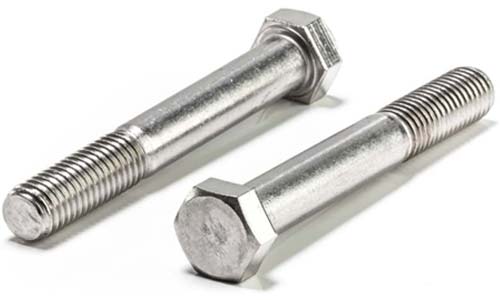
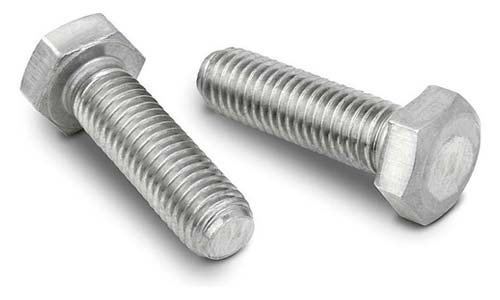
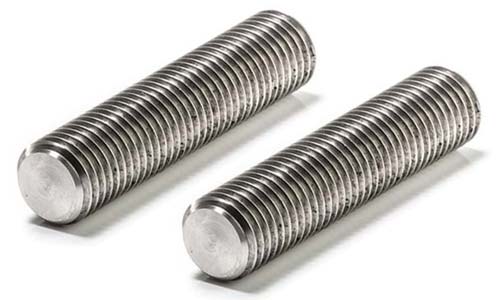
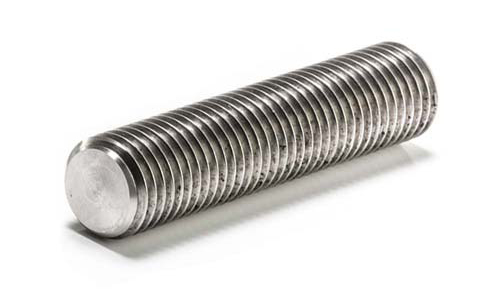
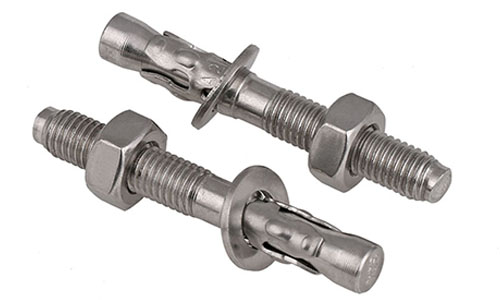
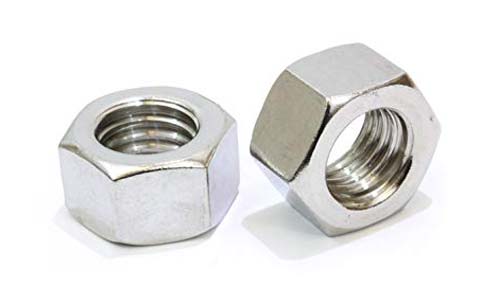
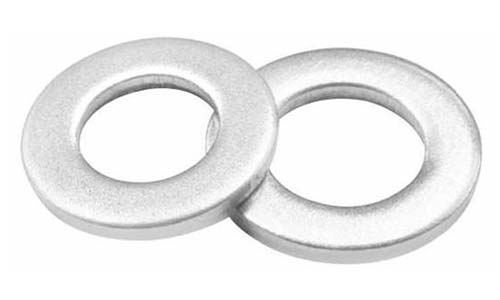
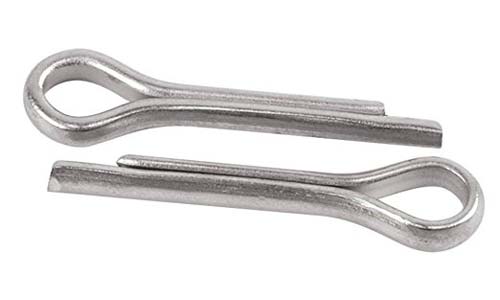
AISI 501 is listed in the HEAT-RESISTANT CHROMIUM STAINLESS STEEL material family. The reference data below should be checked against the governing product specification, product form and delivery condition before selection or certification.
The reference chemistry table for AISI 501 lists Chromium (Cr): Chromium-rich composition for oxidation resistance; Silicon (Si): Controlled addition in heat-resistant grades; Carbon (C): Grade-dependent controlled level; Iron (Fe): Balance. Confirm exact limits and analysis tolerances against the governing standard and product form.
The mechanical-property table for AISI 501 lists Tensile Strength: Approx. 450–750 MPa; Yield Strength: Approx. 250–500 MPa; Elongation: Approx. 10–25 %; Hardness: Approx. 120–250 HB HB. These are reference entries; supplied condition, dimensions, test method and governing specification control the requirements, and the figures are not design allowables.
No one-to-one Werkstoff number was verified for AISI 501 in the cross-reference sources checked for this update. Confirm any proposed EN alternative against the governing specification.
View Technical Information →Standard identification and material designation information for AISI 501.
The reference chemistry table lists Chromium (Cr): Chromium-rich composition for oxidation resistance; Silicon (Si): Controlled addition in heat-resistant grades; Carbon (C): Grade-dependent controlled level; Iron (Fe): Balance. Confirm the governing standard, product analysis tolerances and product form before ordering.
| Element | Symbol | Composition |
|---|---|---|
| Chromium | Cr | Chromium-rich composition for oxidation resistance |
| Silicon | Si | Controlled addition in heat-resistant grades |
| Carbon | C | Grade-dependent controlled level |
| Iron | Fe | Balance |
| Other Elements | — | Controlled according to the applicable grade and product specification |
The table reports Tensile Strength: Approx. 450–750 MPa; Yield Strength: Approx. 250–500 MPa; Elongation: Approx. 10–25 %; Hardness: Approx. 120–250 HB HB as reference data for AISI 501. Actual requirements depend on condition, dimensions, test method and specification; these values are not design allowables.
| Property | Value | Unit |
|---|---|---|
| Tensile Strength | Approx. 450–750 | MPa |
| Yield Strength | Approx. 250–500 | MPa |
| Elongation | Approx. 10–25 | % |
| Hardness | Approx. 120–250 HB | HB |
AISI 501 combines the characteristics of its stainless-steel family with grade-specific alloying and heat-treatment behavior suited to its intended service.
Chromium-rich chemistry forms a protective oxide scale.
Designed for sustained service at elevated temperature.
Used in applications exposed to repeated heating and cooling.
Well suited to furnace and exhaust environments when correctly specified.
AISI 501 is selected for engineered components and bolting where the material characteristics of this grade match the service environment.
AISI 501 is considered for bolts and studs when its grade-specific corrosion, strength and temperature characteristics meet the service requirement.
AISI 501 is considered for valve and pump parts when its grade-specific corrosion, strength and temperature characteristics meet the service requirement.
AISI 501 is considered for shafts and pins when its grade-specific corrosion, strength and temperature characteristics meet the service requirement.
AISI 501 is considered for cutting and wear components when its grade-specific corrosion, strength and temperature characteristics meet the service requirement.
Use creep and stress-rupture data for long-duration high-temperature design.
Account for scaling and oxidation conditions.
Verify thread galling and thermal expansion behavior in bolted joints.
No one-to-one Werkstoff number was verified for AISI 501 in the cross-reference sources checked for this update, so this page does not assign a number. Confirm any proposed EN alternative against the applicable product standard and supplier certificate before substitution.
Our engineering team can help you select suitable materials based on operating temperature, pressure and service conditions.