AISI 434 Bolting Products
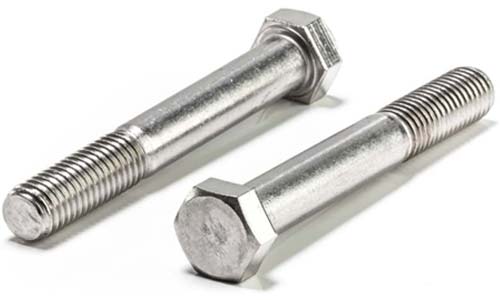
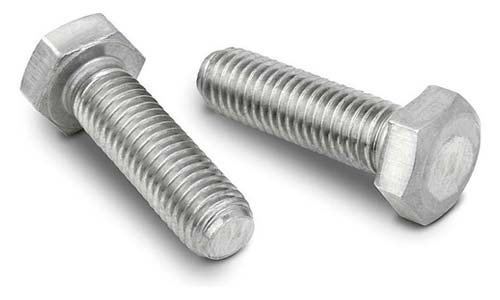
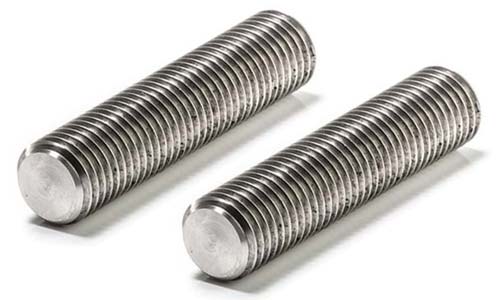
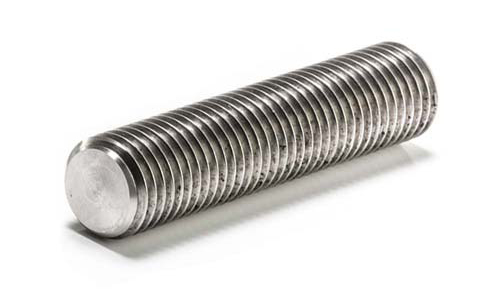
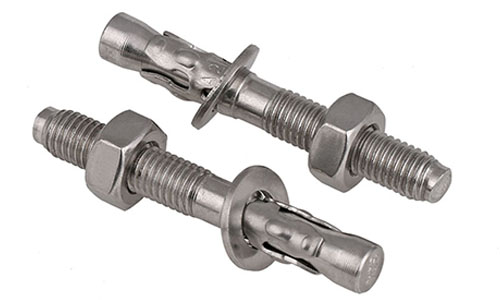
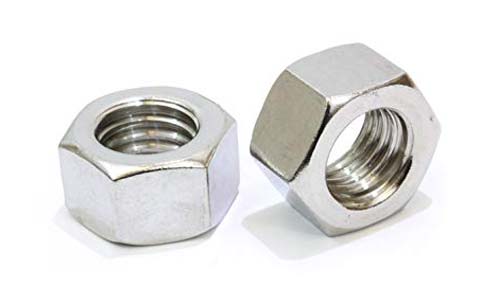
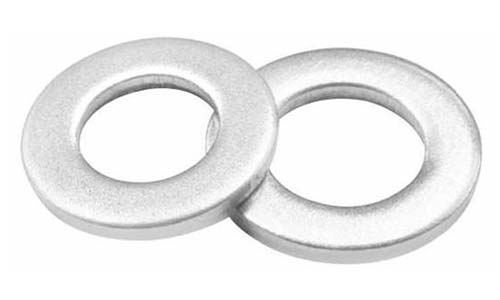
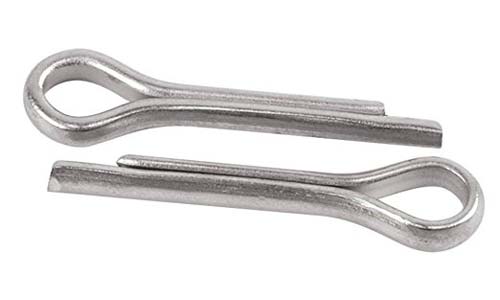
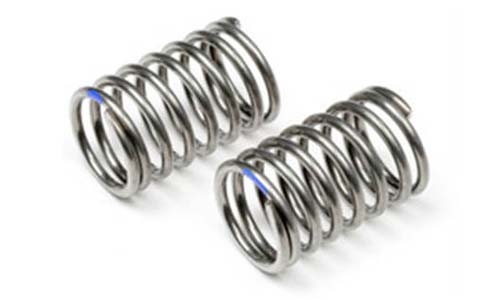
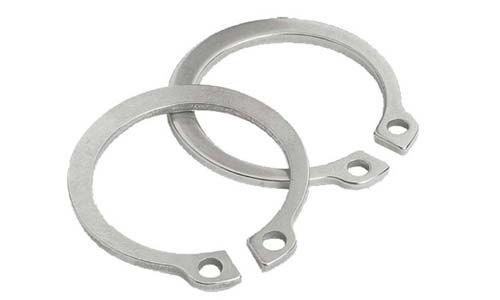
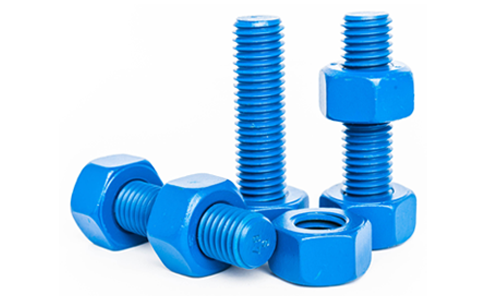
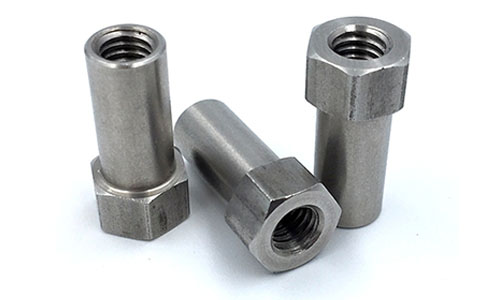
AISI 434 is listed in the MARTENSITIC STAINLESS STEEL material family. The reference data below should be checked against the governing product specification, product form and delivery condition before selection or certification.
The reference chemistry table for AISI 434 lists Chromium (Cr): Typically about 11–18% depending on grade; Carbon (C): Controls hardenability and attainable hardness; grade dependent; Nickel/Molybdenum (Ni/Mo): Present in selected grades to tune toughness or corrosion resistance; Sulfur/Selenium (S/Se): Present in free-machining variants such as AISI 416/416Se. Confirm exact limits and analysis tolerances against the governing standard and product form.
The mechanical-property table for AISI 434 lists Tensile Strength: Approx. 650–1500 MPa; Yield Strength: Approx. 400–1200 MPa; Elongation: Approx. 5–25 %; Hardness: Approx. 180–500 HB HB. These are reference entries; supplied condition, dimensions, test method and governing specification control the requirements, and the figures are not design allowables.
No one-to-one Werkstoff number was verified for AISI 434 in the cross-reference sources checked for this update. Confirm any proposed EN alternative against the governing specification.
View Technical Information →Standard identification and material designation information for AISI 434.
The reference chemistry table lists Chromium (Cr): Typically about 11–18% depending on grade; Carbon (C): Controls hardenability and attainable hardness; grade dependent; Nickel/Molybdenum (Ni/Mo): Present in selected grades to tune toughness or corrosion resistance; Sulfur/Selenium (S/Se): Present in free-machining variants such as AISI 416/416Se. Confirm the governing standard, product analysis tolerances and product form before ordering.
| Element | Symbol | Composition |
|---|---|---|
| Chromium | Cr | Typically about 11–18% depending on grade |
| Carbon | C | Controls hardenability and attainable hardness; grade dependent |
| Nickel/Molybdenum | Ni/Mo | Present in selected grades to tune toughness or corrosion resistance |
| Sulfur/Selenium | S/Se | Present in free-machining variants such as AISI 416/416Se |
| Iron | Fe | Balance |
| Other Elements | — | Controlled according to the applicable grade and product specification |
The table reports Tensile Strength: Approx. 650–1500 MPa; Yield Strength: Approx. 400–1200 MPa; Elongation: Approx. 5–25 %; Hardness: Approx. 180–500 HB HB as reference data for AISI 434. Actual requirements depend on condition, dimensions, test method and specification; these values are not design allowables.
| Property | Value | Unit |
|---|---|---|
| Tensile Strength | Approx. 650–1500 | MPa |
| Yield Strength | Approx. 400–1200 | MPa |
| Elongation | Approx. 5–25 | % |
| Hardness | Approx. 180–500 HB | HB |
AISI 434 combines the characteristics of its stainless-steel family with grade-specific alloying and heat-treatment behavior suited to its intended service.
Martensitic stainless grades can be hardened and tempered to achieve useful strength.
Higher-carbon grades such as 440A/440B/440C can reach high hardness.
Provides useful general corrosion resistance, generally below austenitic grades in severe chloride service.
Free-machining variants improve cutting performance but require attention to corrosion and toughness trade-offs.
AISI 434 is selected for engineered components and bolting where the material characteristics of this grade match the service environment.
AISI 434 is considered for bolts and studs when its grade-specific corrosion, strength and temperature characteristics meet the service requirement.
AISI 434 is considered for valve and pump parts when its grade-specific corrosion, strength and temperature characteristics meet the service requirement.
AISI 434 is considered for shafts and pins when its grade-specific corrosion, strength and temperature characteristics meet the service requirement.
AISI 434 is considered for cutting and wear components when its grade-specific corrosion, strength and temperature characteristics meet the service requirement.
Specify heat-treatment condition before using mechanical-property values.
Balance hardness against toughness and corrosion resistance.
Check weldability before welding martensitic grades; preheat/post-weld treatment may be required.
No one-to-one Werkstoff number was verified for AISI 434 in the cross-reference sources checked for this update, so this page does not assign a number. Confirm any proposed EN alternative against the applicable product standard and supplier certificate before substitution.
Our engineering team can help you select suitable materials based on operating temperature, pressure and service conditions.