AISI 1020 Bolting Products
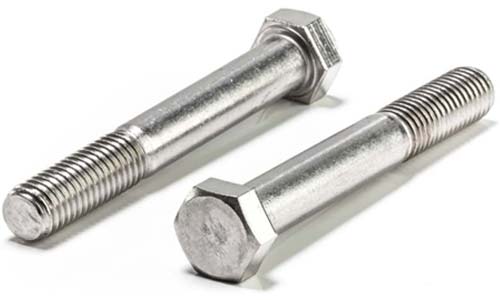
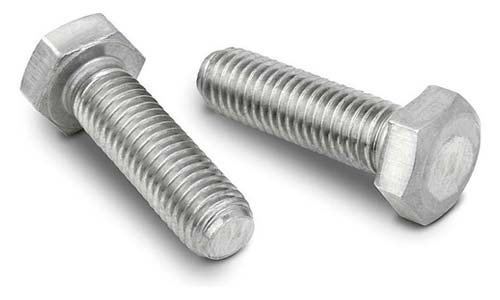
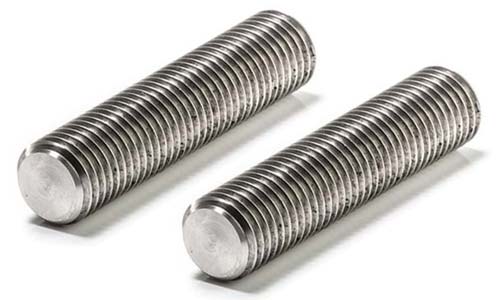
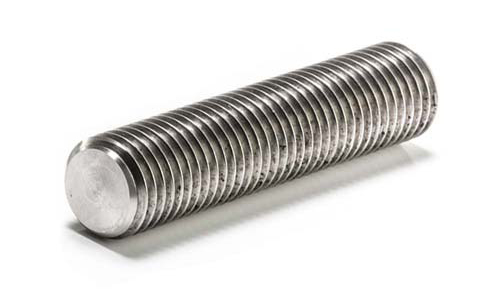
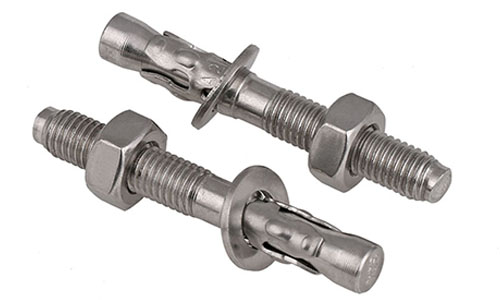
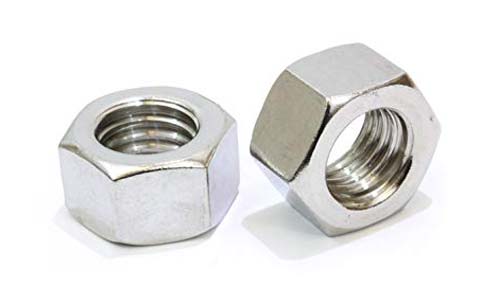
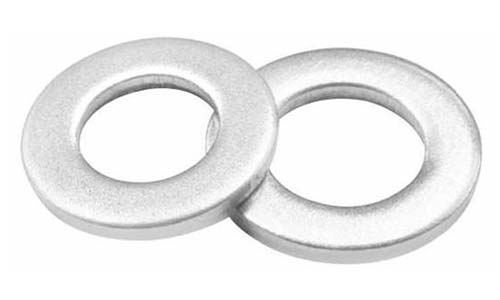
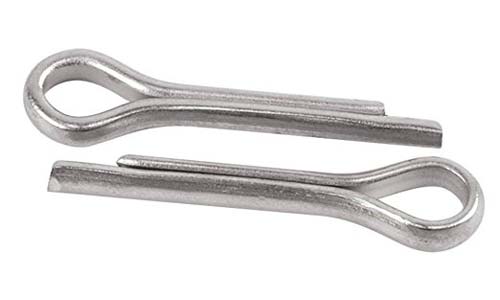
AISI 1020 is listed in the LOW CARBON STEEL material family. The reference data below should be checked against the governing product specification, product form and delivery condition before selection or certification.
The reference chemistry table for AISI 1020 lists Carbon (C): 0.18–0.23; Manganese (Mn): 0.30–0.60; Silicon (Si): 0.35 Max; Phosphorus (P): 0.040 Max. Confirm exact limits and analysis tolerances against the governing standard and product form.
The mechanical-property table for AISI 1020 lists Tensile Strength: 420 – 580 MPa; Yield Strength: 240 – 380 MPa; Elongation: 22 – 32 %; Hardness: Approx. 120 – 175 HB. These are reference entries; supplied condition, dimensions, test method and governing specification control the requirements, and the figures are not design allowables.
Werkstoff / EN cross-reference for AISI 1020: 1.0402. This comparison does not guarantee interchangeability; confirm chemistry, product form and condition against the governing specification.
View Technical Information →Standard identification and material designation information for AISI 1020.
The reference chemistry table lists Carbon (C): 0.18–0.23; Manganese (Mn): 0.30–0.60; Silicon (Si): 0.35 Max; Phosphorus (P): 0.040 Max. Confirm the governing standard, product analysis tolerances and product form before ordering.
| Element | Symbol | Composition |
|---|---|---|
| Carbon | C | 0.18–0.23 |
| Manganese | Mn | 0.30–0.60 |
| Silicon | Si | 0.35 Max |
| Phosphorus | P | 0.040 Max |
| Sulfur | S | 0.050 Max |
| Iron | Fe | Balance |
The table reports Tensile Strength: 420 – 580 MPa; Yield Strength: 240 – 380 MPa; Elongation: 22 – 32 %; Hardness: Approx. 120 – 175 HB as reference data for AISI 1020. Actual requirements depend on condition, dimensions, test method and specification; these values are not design allowables.
| Property | Value | Unit |
|---|---|---|
| Tensile Strength | 420 – 580 | MPa |
| Yield Strength | 240 – 380 | MPa |
| Elongation | 22 – 32 | % |
| Hardness | Approx. 120 – 175 | HB |
AISI 1020 provides a practical balance of strength, ductility and machinability for its grade family. The final performance depends strongly on chemistry, product size and heat treatment.
Carbon content and heat treatment can be used to increase strength and surface hardness.
Machinability varies by sulfur level, carbon level, microstructure and condition.
Lower carbon grades generally provide easier forming and welding; preheat and procedure control may be needed as carbon rises.
Many grades in this range can respond to normalizing, annealing, quenching and tempering according to grade and section size.
AISI 1020 may be selected for shafts, fasteners, machined components, gears, pins, forgings and general engineering parts, with the exact application dependent on grade, size and condition.
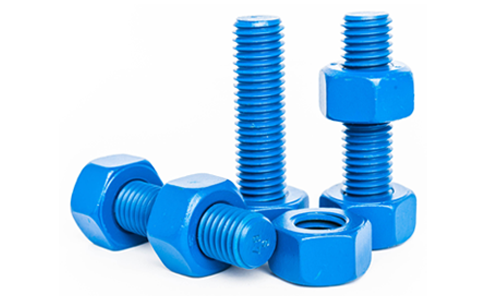
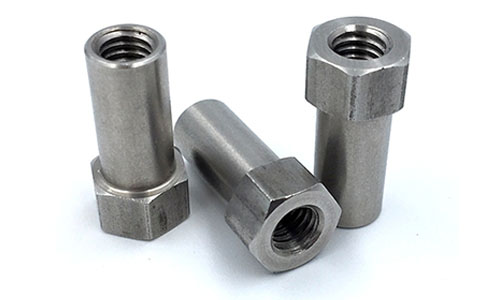
Used for bolts, studs, nuts and threaded parts when the grade and heat-treatment condition meet the required mechanical class.
Commonly considered for pins, axles, shafts and other load-bearing machine components.
Selected medium-carbon grades can be used for gears, forgings and wear-prone machine parts after suitable treatment.
Free-machining grades are used where chip control and production machining are important.
Select AISI 1020 using the applicable standard, required product form, size, heat treatment and service conditions. Verify chemistry and mechanical certification.
Weldability generally decreases as carbon and alloying increase. Use qualified welding procedures, and consider preheat/interpass control where required.
Do not use the indicative web values as design allowables. Final properties depend on section size, treatment, reduction and supply condition.
The commonly listed Werkstoff / EN cross-reference for AISI 1020 is 1.0402. Treat this as a grade comparison, not a guarantee of interchangeability. Verify chemistry, product form, condition and governing specification against the supplier certificate before substitution.
Carbon-steel grades in this range can be annealed, normalized and, for suitable grades and section sizes, quenched and tempered. The permitted treatment depends on the grade and product standard.
Carbon steel is not inherently stainless and normally requires suitable coating, paint, plating or environmental control when corrosion protection is required.
Typical applications include engineered fasteners, shafts, pins, gears, machined components, forgings and general structural or machine parts where the grade is appropriate.
Our engineering team can help with AISI 1020 selection based on operating temperature, pressure, load, product form and service conditions.