Alloy A286 Bolting Products
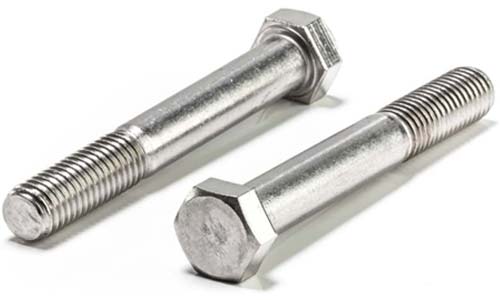
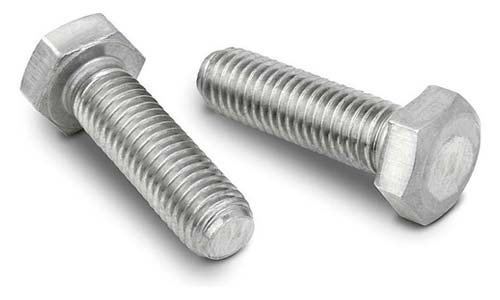
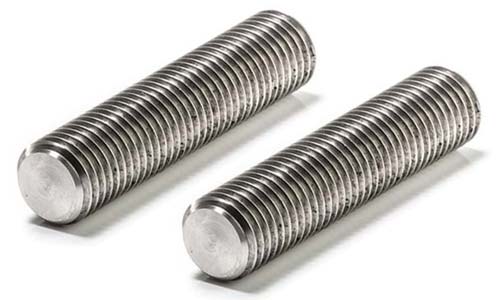
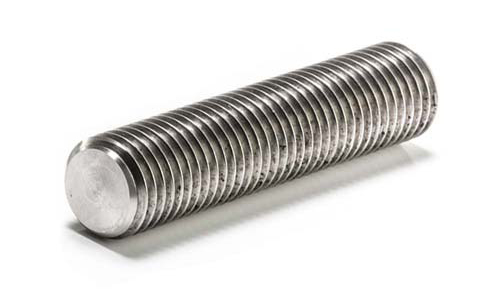
Alloy A286 is listed in the AGE-HARDENABLE AUSTENITIC STAINLESS ALLOY material family. The reference data below should be checked against the governing product specification, product form and delivery condition before selection or certification.
The reference chemistry table for Alloy A286 lists Nickel (Ni): Approx. 24–27%; Chromium (Cr): Approx. 13.5–16%; Titanium (Ti): Controlled age-hardening addition; Molybdenum (Mo): Small controlled addition. Confirm exact limits and analysis tolerances against the governing standard and product form.
The mechanical-property table for Alloy A286 lists Tensile Strength: 900–1300 MPa; Yield Strength: 600–1100 MPa; Elongation: 5–20 %; Hardness: Approx. 250–400 HB HB. These are reference entries; supplied condition, dimensions, test method and governing specification control the requirements, and the figures are not design allowables.
Werkstoff / EN cross-reference for Alloy A286: 1.4980. This comparison does not guarantee interchangeability; confirm chemistry, product form and condition against the governing specification.
View Technical Information →Standard identification and material designation information for Alloy A286.
The reference chemistry table lists Nickel (Ni): Approx. 24–27%; Chromium (Cr): Approx. 13.5–16%; Titanium (Ti): Controlled age-hardening addition; Molybdenum (Mo): Small controlled addition. Confirm the governing standard, product analysis tolerances and product form before ordering.
| Element | Symbol | Composition |
|---|---|---|
| Nickel | Ni | Approx. 24–27% |
| Chromium | Cr | Approx. 13.5–16% |
| Titanium | Ti | Controlled age-hardening addition |
| Molybdenum | Mo | Small controlled addition |
| Iron | Fe | Balance |
| Other Elements | — | Controlled according to the applicable grade and product specification |
The table reports Tensile Strength: 900–1300 MPa; Yield Strength: 600–1100 MPa; Elongation: 5–20 %; Hardness: Approx. 250–400 HB HB as reference data for Alloy A286. Actual requirements depend on condition, dimensions, test method and specification; these values are not design allowables.
| Property | Value | Unit |
|---|---|---|
| Tensile Strength | 900–1300 | MPa |
| Yield Strength | 600–1100 | MPa |
| Elongation | 5–20 | % |
| Hardness | Approx. 250–400 HB | HB |
Alloy A286 combines the characteristics of its stainless-steel family with grade-specific alloying and heat-treatment behavior suited to its intended service.
High nickel/chromium/molybdenum or strengthening additions provide enhanced service performance.
Molybdenum and nitrogen additions improve resistance to pitting and crevice corrosion in many chloride environments.
Selected for chemical-processing, marine and high-temperature applications.
Mechanical properties depend on product form, heat treatment and specification.
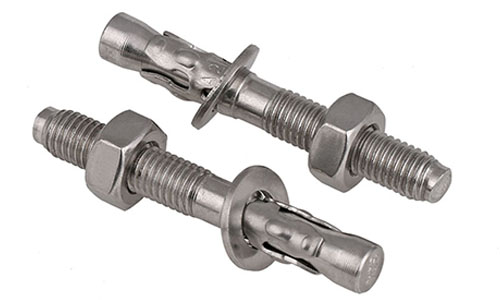
Alloy A286 is selected for engineered components and bolting where the material characteristics of this grade match the service environment.
Alloy A286 is considered for chemical and process equipment when its grade-specific corrosion, strength and temperature characteristics meet the service requirement.
Alloy A286 is considered for marine and offshore hardware when its grade-specific corrosion, strength and temperature characteristics meet the service requirement.
Alloy A286 is considered for heat exchangers and piping when its grade-specific corrosion, strength and temperature characteristics meet the service requirement.
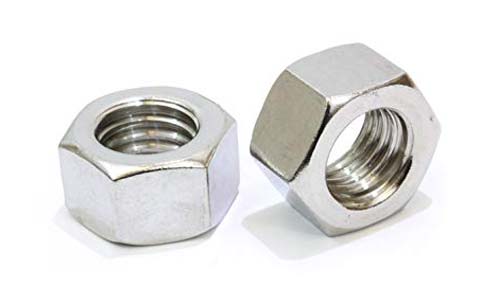
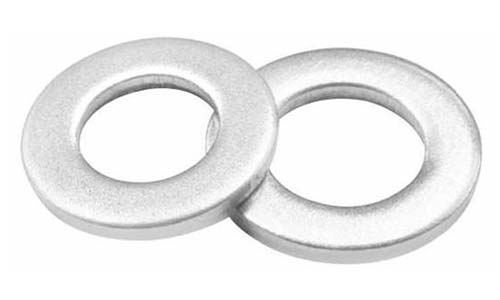
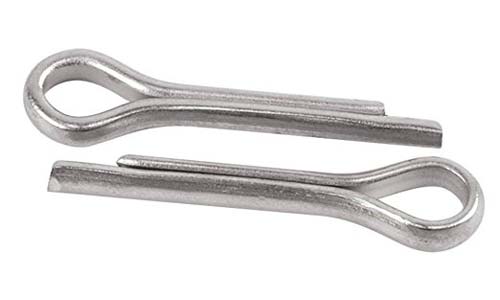
Alloy A286 is considered for high-performance bolting when its grade-specific corrosion, strength and temperature characteristics meet the service requirement.
Match the alloy to the exact corrosive chemistry and temperature.
Use welded-condition corrosion data where applicable.
For bolting, check galling, preload retention and thermal-expansion compatibility.
The commonly listed Werkstoff / EN cross-reference for Alloy A286 is 1.4980. Treat this as a grade comparison, not a guarantee of interchangeability. Verify chemistry, product form, condition and governing specification against the supplier certificate before substitution.
Our engineering team can help you select suitable materials based on operating temperature, pressure and service conditions.