Alloy 2101 Bolting Products
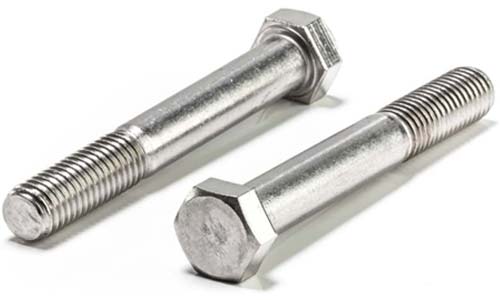
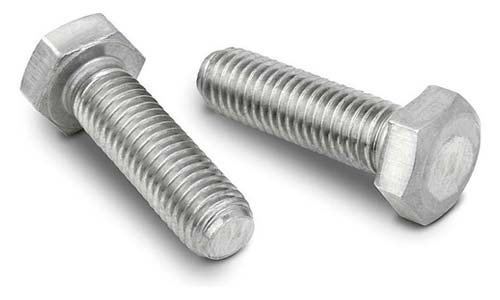
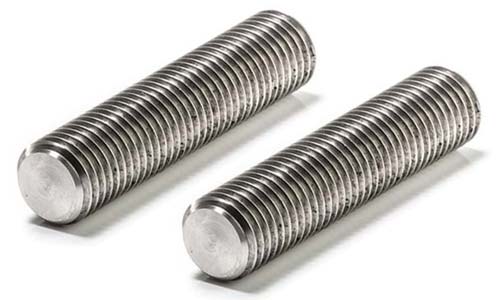
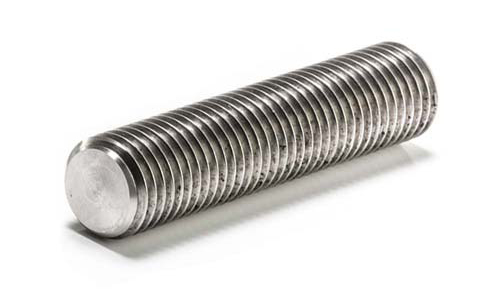
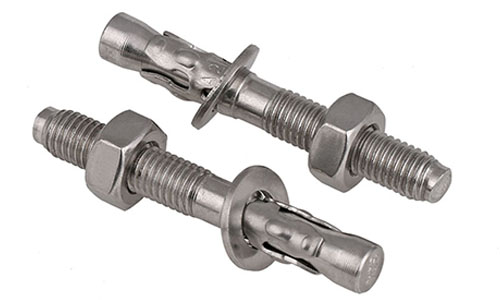
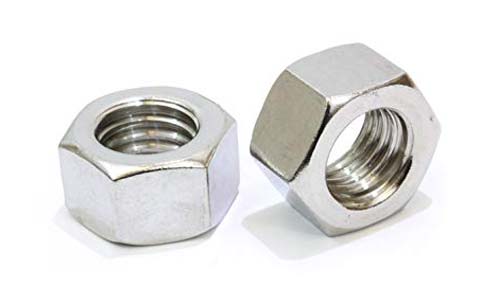
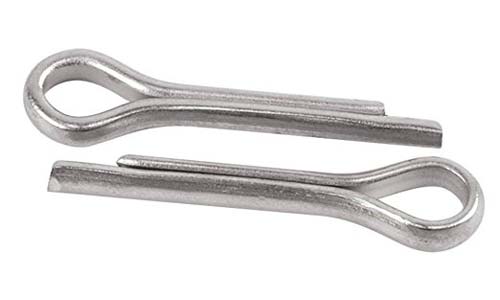
Alloy 2101 is listed in the LEAN DUPLEX STAINLESS STEEL material family. The reference data below should be checked against the governing product specification, product form and delivery condition before selection or certification.
The reference chemistry table for Alloy 2101 lists Carbon (C): 0.04% Max; Manganese (Mn): 4.00 – 6.00%; Phosphorus (P): 0.04% Max; Sulfur (S): 0.03% Max. Confirm exact limits and analysis tolerances against the governing standard and product form.
The mechanical-property table for Alloy 2101 lists Tensile Strength: 650 Minimum MPa; Yield Strength: 450 Minimum MPa; Elongation: 30 Minimum %; Hardness: 290 Maximum BHN. These are reference entries; supplied condition, dimensions, test method and governing specification control the requirements, and the figures are not design allowables.
Werkstoff / EN cross-reference for Alloy 2101: 1.4162. This comparison does not guarantee interchangeability; confirm chemistry, product form and condition against the governing specification.
View Technical Information →Standard identification and material designation information for Alloy 2101.
The reference chemistry table lists Carbon (C): 0.04% Max; Manganese (Mn): 4.00 – 6.00%; Phosphorus (P): 0.04% Max; Sulfur (S): 0.03% Max. Confirm the governing standard, product analysis tolerances and product form before ordering.
| Element | Symbol | Composition |
|---|---|---|
| Carbon | C | 0.04% Max |
| Manganese | Mn | 4.00 – 6.00% |
| Phosphorus | P | 0.04% Max |
| Sulfur | S | 0.03% Max |
| Silicon | Si | 1.00% Max |
| Chromium | Cr | 21.00 – 22.00% |
| Nickel | Ni | 1.35 – 1.70% |
| Molybdenum | Mo | 0.10 – 0.80% |
| Nitrogen | N | 0.20 – 0.25% |
| Copper | Cu | 0.10 – 0.80% |
| Iron | Fe | Balance |
The table reports Tensile Strength: 650 Minimum MPa; Yield Strength: 450 Minimum MPa; Elongation: 30 Minimum %; Hardness: 290 Maximum BHN as reference data for Alloy 2101. Actual requirements depend on condition, dimensions, test method and specification; these values are not design allowables.
| Property | Value | Unit |
|---|---|---|
| Tensile Strength | 650 Minimum | MPa |
| Yield Strength | 450 Minimum | MPa |
| Elongation | 30 Minimum | % |
| Hardness | 290 Maximum | BHN |
Alloy 2101 provides a combination of high mechanical strength, corrosion resistance and good fabrication characteristics.
Provides significantly higher strength than many conventional austenitic stainless steels.
Offers reliable corrosion resistance in many industrial and general-purpose environments.
The duplex microstructure provides improved resistance to stress corrosion cracking compared with many austenitic grades.
Can be fabricated and welded using appropriate procedures for duplex stainless steels.
Alloy 2101 is selected for applications requiring high strength, corrosion resistance and reliable material performance.
Tanks for potable water, sewage water, food products and industrial liquids.
Bridges, structural components and other demanding infrastructure applications.
Equipment and components exposed to demanding industrial environments.
Industrial equipment requiring high mechanical strength and corrosion resistance.
Consider chloride concentration, temperature and chemical exposure when selecting Alloy 2101 for a particular application.
Appropriate forming and welding procedures should be used to maintain the duplex microstructure and material performance.
Alloy 2101 offers high mechanical strength, which can allow reduced material thickness in suitable engineering applications.
The commonly listed Werkstoff / EN cross-reference for Alloy 2101 is 1.4162. Treat this as a grade comparison, not a guarantee of interchangeability. Verify chemistry, product form, condition and governing specification against the supplier certificate before substitution.
Its main advantages include high mechanical strength, good corrosion resistance, stress corrosion cracking resistance and good weldability.
It is used in storage tanks, infrastructure, chemical processing, oil and gas equipment and other demanding industrial applications.
Our engineering team can help you select suitable materials based on operating temperature, pressure and service conditions.