AISI 347H Bolting Products
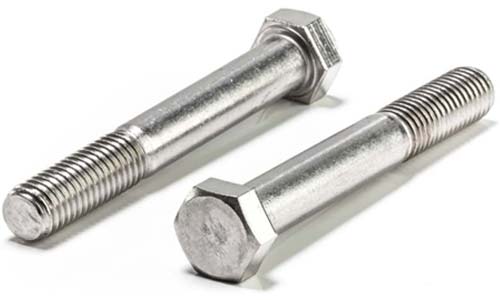
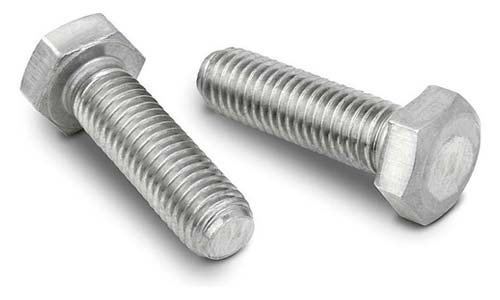
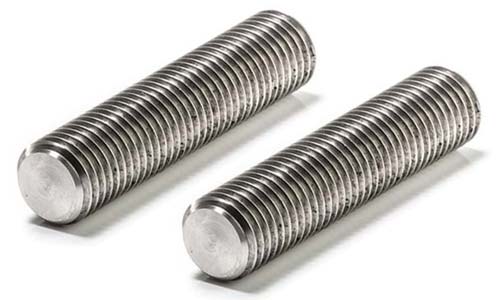
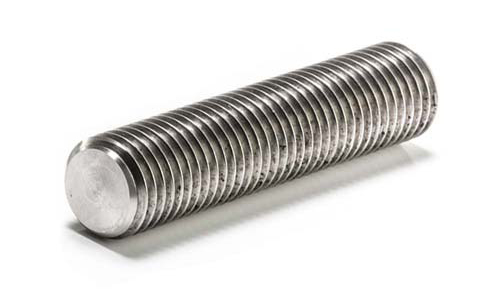
AISI 347H is listed in the AUSTENITIC STAINLESS STEEL material family. The reference data below should be checked against the governing product specification, product form and delivery condition before selection or certification.
The reference chemistry table for AISI 347H lists Chromium (Cr): Corrosion-resistant alloying element; Nickel (Ni): Austenite stabilizer; Niobium / tantalum (Nb / Ta): Stabilizing additions. Confirm exact limits and analysis tolerances against the governing standard and product form.
The mechanical-property table for AISI 347H lists Tensile Strength: Condition and product-form dependent —; Yield Strength: Condition and product-form dependent —; Elongation: Condition and product-form dependent %; Hardness: Grade and condition dependent —. These are reference entries; supplied condition, dimensions, test method and governing specification control the requirements, and the figures are not design allowables.
Werkstoff / EN cross-reference for AISI 347H: 1.4912. This comparison does not guarantee interchangeability; confirm chemistry, product form and condition against the governing specification.
View Technical Information →Standard identification and material designation information for AISI 347H.
The reference chemistry table lists Chromium (Cr): Corrosion-resistant alloying element; Nickel (Ni): Austenite stabilizer; Niobium / tantalum (Nb / Ta): Stabilizing additions. Confirm the governing standard, product analysis tolerances and product form before ordering.
| Element / feature | Symbol | Grade information |
|---|---|---|
| Chromium | Cr | Corrosion-resistant alloying element |
| Nickel | Ni | Austenite stabilizer |
| Niobium / tantalum | Nb / Ta | Stabilizing additions |
| Other elements | — | Limits controlled by applicable specification |
The table reports Tensile Strength: Condition and product-form dependent —; Yield Strength: Condition and product-form dependent —; Elongation: Condition and product-form dependent %; Hardness: Grade and condition dependent — as reference data for AISI 347H. Actual requirements depend on condition, dimensions, test method and specification; these values are not design allowables.
| Property | Value | Unit |
|---|---|---|
| Tensile Strength | Condition and product-form dependent | — |
| Yield Strength | Condition and product-form dependent | — |
| Elongation | Condition and product-form dependent | % |
| Hardness | Grade and condition dependent | — |
AISI 347H is a stabilized austenitic chromium-nickel stainless steel designed to reduce sensitization and intergranular corrosion risk after elevated-temperature exposure. Key performance features vary by grade and condition.
AISI 347H is selected when stabilized with nb/ta is important in service.
The grade provides good elevated-temperature service, subject to product form and specification.
This characteristic supports use of AISI 347H in appropriate industrial environments.
Performance depends on the certified material condition and governing specification.
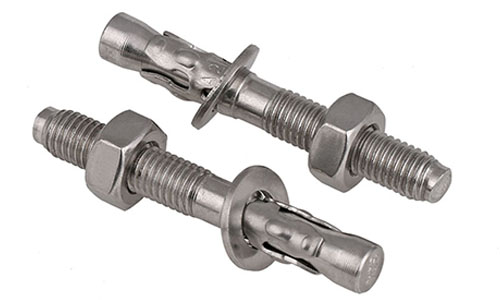
AISI 347H is selected for bolting and engineered components where its corrosion, temperature or fabrication characteristics match the service environment.
Typical applications include high-temperature piping. Confirm suitability against the project specification, temperature, media and product condition.
Typical applications include pressure equipment. Confirm suitability against the project specification, temperature, media and product condition.
Typical applications include heat exchangers. Confirm suitability against the project specification, temperature, media and product condition.
Typical applications include chemical processing. Confirm suitability against the project specification, temperature, media and product condition.
Consider corrosion environment, temperature, product form, fastener size, heat treatment and the governing specification when selecting AISI 347H.
Corrosion Resistance: AISI 347H is intended for corrosion-resistant service, but actual performance depends on the environment, concentration, temperature and surface condition.
Mechanical Requirements: use certified mechanical properties for the exact grade, product form and condition; do not substitute generic family values for design allowables.
The commonly listed Werkstoff / EN cross-reference for AISI 347H is 1.4912. Treat this as a grade comparison, not a guarantee of interchangeability. Verify chemistry, product form, condition and governing specification against the supplier certificate before substitution.
Typical applications include high-temperature piping, pressure equipment, heat exchangers. Suitability depends on service environment and product condition.
Yes. Tensile strength, yield strength, elongation and hardness vary with product form, heat treatment, cold work, section size and the governing specification.
Our engineering team can help you select suitable materials based on operating temperature, pressure and service conditions.