Aluminium Alloy 1100 Bolting Products
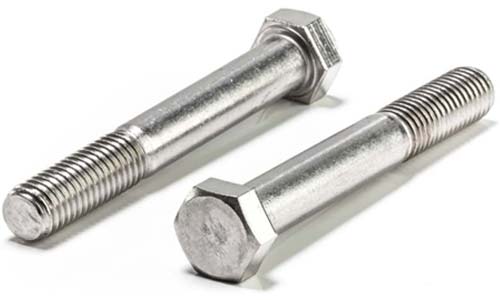
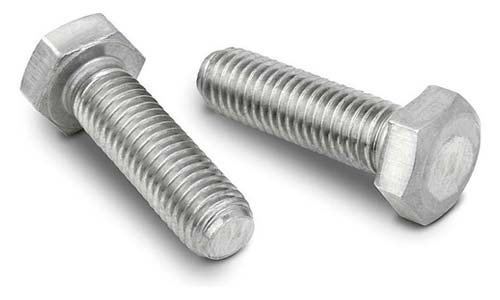
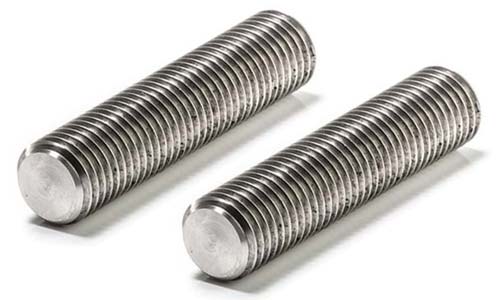
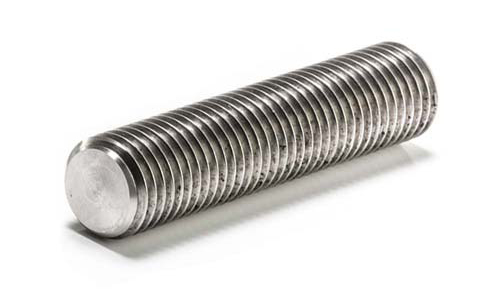
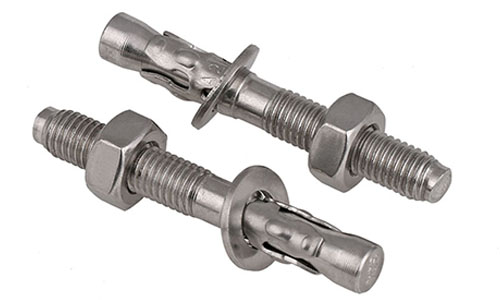
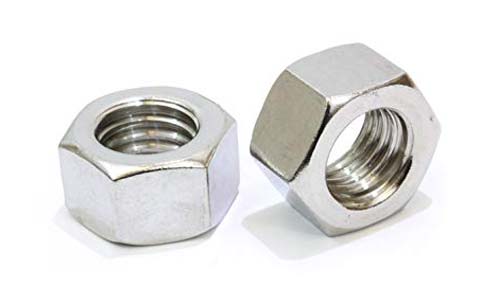
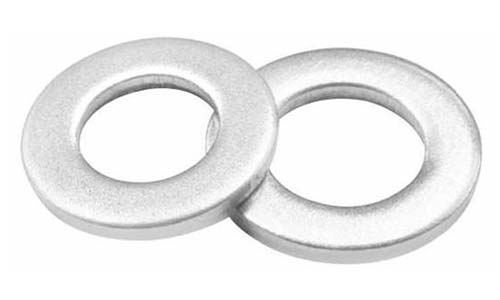
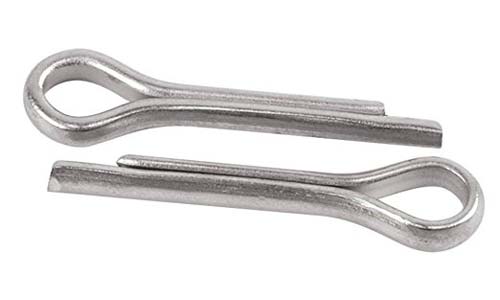
Aluminium Alloy 1100 is listed in the ALUMINIUM ALLOY material family. The reference data below should be checked against the governing product specification, product form and delivery condition before selection or certification.
The reference chemistry table for Aluminium Alloy 1100 lists Aluminium (Al): 99.00% Min; Silicon + Iron (Si + Fe): 0.95% Max; Copper (Cu): 0.05 – 0.20%; Manganese (Mn): 0.05% Max. Confirm exact limits and analysis tolerances against the governing standard and product form.
The mechanical-property table for Aluminium Alloy 1100 lists Tensile Strength: 76 – 110 MPa; Yield Strength: Approx. 28 MPa; Elongation: Approx. 20 – 30 %; Hardness: Approx. 23 – 30 HB. These are reference entries; supplied condition, dimensions, test method and governing specification control the requirements, and the figures are not design allowables.
Werkstoff / EN cross-reference for Aluminium Alloy 1100: 3.0205*. This comparison does not guarantee interchangeability; confirm chemistry, product form and condition against the governing specification.
View Technical Information →Standard identification and material designation information for Aluminium Alloy 1100.
*Werkstoff designation should be confirmed against the applicable material standard and supplier documentation.
The reference chemistry table lists Aluminium (Al): 99.00% Min; Silicon + Iron (Si + Fe): 0.95% Max; Copper (Cu): 0.05 – 0.20%; Manganese (Mn): 0.05% Max. Confirm the governing standard, product analysis tolerances and product form before ordering.
| Element | Symbol | Composition |
|---|---|---|
| Aluminium | Al | 99.00% Min |
| Silicon + Iron | Si + Fe | 0.95% Max |
| Copper | Cu | 0.05 – 0.20% |
| Manganese | Mn | 0.05% Max |
| Zinc | Zn | 0.10% Max |
| Other Elements (Each) | — | 0.05% Max |
| Other Elements (Total) | — | 0.15% Max |
The table reports Tensile Strength: 76 – 110 MPa; Yield Strength: Approx. 28 MPa; Elongation: Approx. 20 – 30 %; Hardness: Approx. 23 – 30 HB as reference data for Aluminium Alloy 1100. Actual requirements depend on condition, dimensions, test method and specification; these values are not design allowables.
| Property | Value (O Temper) | Unit |
|---|---|---|
| Tensile Strength | 76 – 110 | MPa |
| Yield Strength | Approx. 28 | MPa |
| Elongation | Approx. 20 – 30 | % |
| Hardness | Approx. 23 – 30 | HB |
Note: Values are indicative. For H12, H14, H16, H18 or other tempers, consult the applicable product standard and mill test certificate.
Aluminium Alloy 1100 combines high purity, excellent formability, good corrosion resistance and high electrical and thermal conductivity, making it suitable for a wide range of general industrial applications.
Contains a minimum aluminium content of 99.0%, making it suitable for commercially pure aluminium applications.
High ductility allows Aluminium 1100 to be readily formed, bent, rolled and fabricated, particularly in softer tempers.
Provides good general resistance to atmospheric corrosion and many common environmental conditions.
High conductivity makes the alloy useful for electrical and heat-transfer applications.
Aluminium Alloy 1100 is selected where high formability, corrosion resistance and electrical or thermal conductivity are important.
Used for selected electrical components and conductive applications requiring commercially pure aluminium.
Used for heat-transfer components where good thermal conductivity and corrosion resistance are required.
Suitable for selected chemical and food-handling equipment where aluminium's corrosion resistance is appropriate.
Widely used for formed sheet, hollowware, lighting products, reflectors and general-purpose aluminium components.
Consider the required temper, product form, thickness and service environment when selecting Aluminium Alloy 1100.
Alloy 1100 provides excellent ductility and formability, particularly in annealed condition. Select temper according to forming and strength requirements.
Aluminium Alloy 1100 is not intended for high-strength applications. Verify temper-specific properties and consider higher-strength alloys where elevated mechanical strength is required.
The commonly listed Werkstoff / EN cross-reference for Aluminium Alloy 1100 is 3.0205*. Treat this as a grade comparison, not a guarantee of interchangeability. Verify chemistry, product form, condition and governing specification against the supplier certificate before substitution.
Our engineering team can help you select suitable materials based on operating temperature, pressure and service conditions.